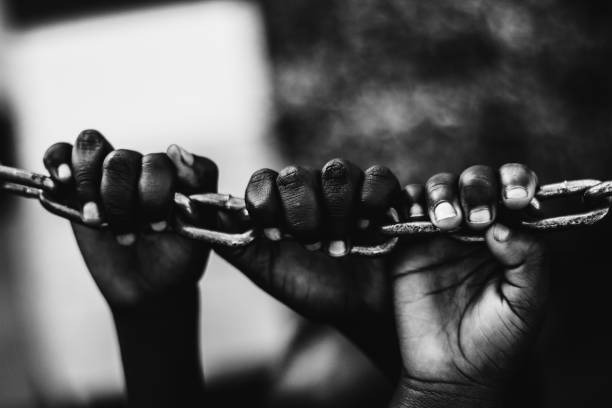
Every July 30, the World Day Against Trafficking in Persons is celebrated, established by the United Nations to shine a spotlight on one of the most serious and hidden issues of our time. It is an observance that is particularly meaningful to those who, like ITM, work every day alongside institutions in contexts where victims can be identified and protected.
What It Is and Where It Came From
The Day was established by the United Nations and has been observed on July 30 since 2013. Human trafficking is the exploitation of people through deception, coercion, or violence—for sexual, labor, or other purposes—and affects a huge number of people worldwide every year, many of whom remain invisible because they are trapped in fear and linguistic and social isolation.
Why Victims Are Hard to Identify
Victims of trafficking rarely identify themselves as such: they often do not know the language of the country where they find themselves, do not trust institutions, and fear retaliation. Signs of vulnerability may emerge indirectly—during a hearing for international protection, at a service center, or during a medical consultation. Recognizing these signs requires skills that go beyond simply translating words.
The Role of Language Services and Mediation
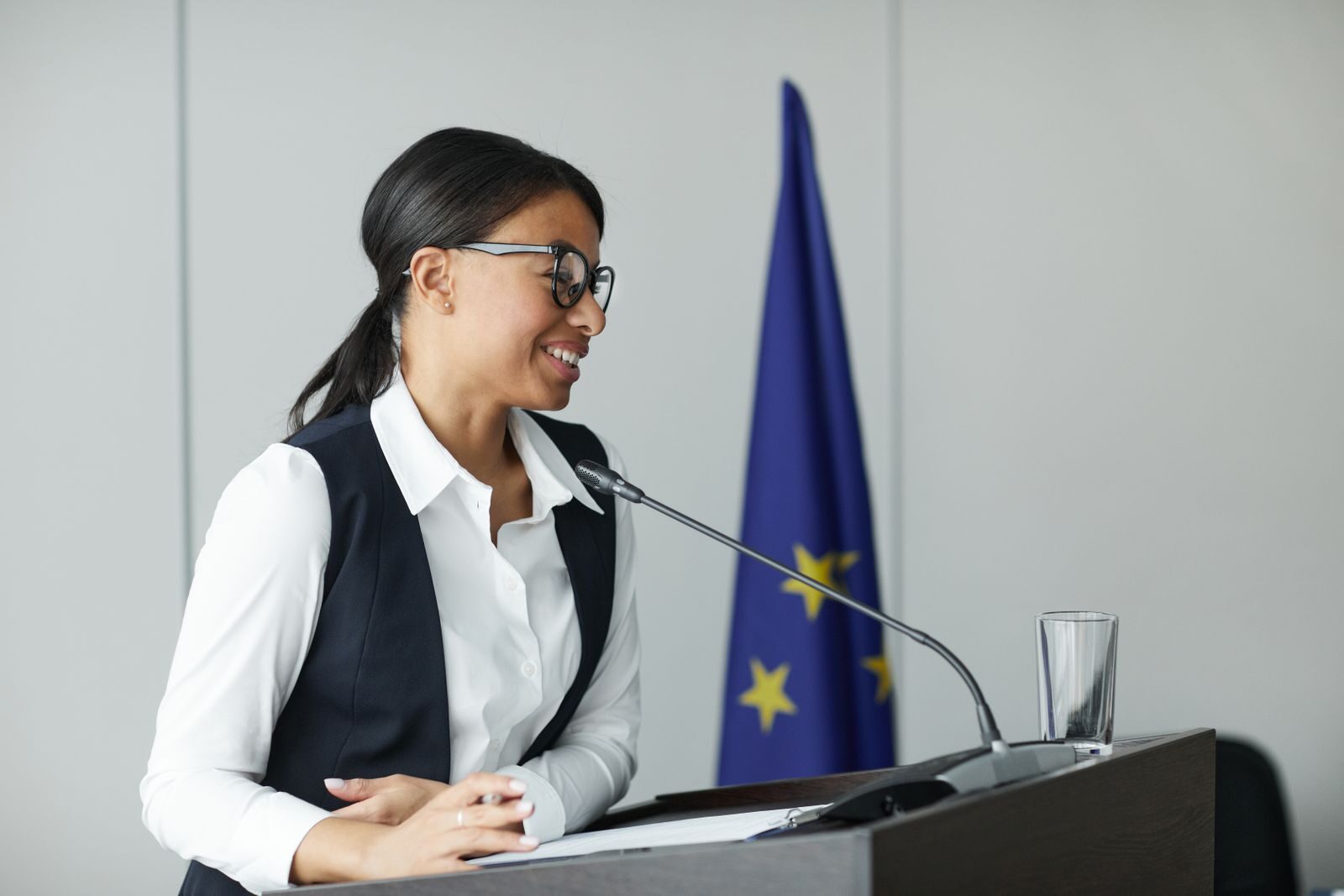
This is where linguistic and cultural mediation becomes a tool for protection. Those who perform this work do more than just translate: they provide context, interpret cultural codes, and recognize the signs of potential exploitation that would otherwise remain invisible. For this reason, in settings where potential victims are present, there is a need for interpreters and mediators who have received specialized training and are capable of working with competence, neutrality, and a focus on the individual.
ITM’s Contribution
For more than 20 years, ITM has been supporting institutions, prefectures, police headquarters, and reception centers within the asylum system, providing qualified interpreters and mediators in over 300 languages—including official languages and rare and extremely rare dialects—through a network of more than 10,000 native-speaking professionals, all certified to UNI EN ISO 9001:2015 and UNI EN ISO 17100:2017 standards. For us, July 30 is an opportunity to remember that linguistic quality can make the difference between a victim who remains invisible and a person who is finally heard.